日常英语对话场景句库
🗣️ 实用日常英语对话场景句库(扩展版)
🧒 1. 谈论孩子 & 教育
| 英文 | 中文 | 拼音(可选) |
|---|---|---|
| Is your kid in kindergarten already? | 你家孩子上幼儿园了吗? | ɪz jʊər kɪd ɪn ˈkɪndərˌɡɑrtən ɔlˈrɛdi? |
| My daughter just started swimming lessons. | 我女儿刚开始上游泳课。 | mái ˈdɔːtər ʤʌst ˈstɑrtɪd ˈswɪmɪŋ ˈlɛsənz. |
| Do you think schools are getting too competitive? | 你觉得现在学校竞争太激烈了吗? | dù yʊ θɪŋk skuːlz ɑr ˈgɛtɪŋ tuː kəmˈpɛtɪtɪv? |
| I’m trying not to stress him out. | 我尽量不给他太大压力。 | ài əm ˈtraɪɪŋ nɑt tə strɛs hɪm aʊt. |
🏠 2. 房价 & 政策 & 生活成本
| 英文 | 中文 | 拼音 |
|---|---|---|
| Housing prices are crazy these days. | 现在房价太夸张了。 | ˈhaʊzɪŋ ˈpraɪsɪz ɑr ˈkreɪzi dhiz deɪz. |
| Rent keeps going up every year. | 房租年年涨。 | rɛnt kiːps ˈɡoʊɪŋ ʌp ˈɛvri jɪər. |
| The government should do something about it. | 政府应该管一管。 | dhə ˈɡʌvərnmənt ʃʊd dù ˈsʌmθɪŋ əˈbaʊt ɪt. |
| Groceries are getting expensive too. | 连买菜都越来越贵了。 | ˈɡroʊsəriz ɑr ˈɡɛtɪŋ ɪkˈspɛnsɪv tuː. |
🍜 3. 食物 & 天气
| 英文 | 中文 | 拼音 |
|---|---|---|
| The food here is amazing! | 这家饭真好吃! | dhə fuːd hɪər ɪz əˈmeɪzɪŋ! |
| I love spicy food, but my kid can’t handle it. | 我喜欢吃辣的,但我家孩子吃不了。 | ài lʌv ˈspaɪsi fuːd, bʌt mái kɪd kænt ˈhændəl ɪt. |
| It’s too hot today. I don’t feel like going out. | 今天太热了,我都不想出门。 | ɪts tuː hɑt təˈdeɪ. ài doʊnt fiːl laɪk ˈɡoʊɪŋ aʊt. |
| Looks like it might rain later. | 看起来可能要下雨了。 | lʊks laɪk ɪt maɪt reɪn ˈleɪtər. |
👨💼 4. 谈论工作 & 抱怨加班
| 英文 | 中文 | 拼音 |
|---|---|---|
| What do you do for work? | 你是做什么工作的? | wʌt dù yʊ dù fɔr wɜrk? |
| I’m an Android engineer. Been in the field for 11 years. | 我是安卓工程师,做了11年了。 | ài əm ən ændrɔɪd ˌɛnʤəˈnɪr. bɪn ɪn dhə fiːld fɔr ɪˈlɛvən jɪərz. |
| I’ve been super busy lately — lots of overtime. | 最近忙疯了,经常加班。 | àɪv bɪn ˈsuːpər ˈbɪzi ˈleɪtli — lɑts əv ˈoʊvərtaɪm. |
| I really need a break. | 我真的需要休息一下。 | ài ˈrɪəli niːd ə breɪk. |
| Sometimes I feel like work never ends. | 有时候感觉工作永远做不完。 | ˈsʌmtaɪmz ài fiːl laɪk wɜrk ˈnɛvər ɛndz. |
🏛️ 5. 政府政策 & 社会话题
| 英文 | 中文 | 拼音 |
|---|---|---|
| I’m not happy with the new policy. | 我对这个新政策不满意。 | ài əm nɑt ˈhæpi wɪdh dhə nuː ˈpɑləsi. |
| They raise taxes, but public services are still bad. | 税涨了,服务还是不好。 | dheɪ reɪz ˈtæksɪz, bʌt ˈpʌblɪk ˈsɜrvɪsɪz ɑr stɪl bæd. |
| We need better support for working parents. | 家长需要更多的支持。 | wɪ niːd ˈbɛtər səˈpɔrt fɔr ˈwɜrkɪŋ ˈpɛrənts. |
| Healthcare is too expensive. | 医疗太贵了。 | ˈhɛlθkɛr ɪz tuː ɪkˈspɛnsɪv. |
🛒 1. 超市购物 / 买菜(At the Supermarket)
| 英文 | 中文 | 拼音(可选) |
|---|---|---|
| Excuse me, where can I find the eggs? | 请问,鸡蛋在哪里? | ɪksˈkjuz mi, wɛr kən ài faɪnd dhə ɛgz? |
| Do you have any fresh spinach? | 你们有新鲜的菠菜吗? | dù yʊ hæv ˈɛni frɛʃ ˈspɪnɪʧ? |
| Is this on sale? | 这个在打折吗? | ɪz dhɪs ɑn seɪl? |
| Can I try a sample? | 我可以试吃一下吗? | kæn ài traɪ ə ˈsæmpəl? |
| I’d like half a kilo of apples. | 我想要半公斤苹果。 | àid laɪk hæf ə ˈkiːloʊ əv ˈæpəlz. |
| Do you accept credit cards? | 你们接受信用卡吗? | dù yʊ əkˈsɛpt ˈkrɛdɪt kɑrdz? |
| Can I get a bag, please? | 可以给我一个袋子吗? | kæn ài ɡɛt ə bæg, pliz? |
| That’s all, thank you. | 就这些,谢谢。 | dhæts ɔl, θæŋk yʊ. |
🏥 2. 医院看病 / 问诊(At the Doctor’s)
| 英文 | 中文 | 拼音 |
|---|---|---|
| I have a headache and a sore throat. | 我头疼喉咙也痛。 | ài hæv ə ˈhɛdˌeɪk ənd ə sɔr θroʊt. |
| I’ve been coughing for a few days. | 我咳嗽几天了。 | àɪv bɪn ˈkɔfɪŋ fɔr ə fjuː deɪz. |
| I feel tired all the time. | 我一直觉得很累。 | ài fiːl ˈtaɪərd ɔl dhə taɪm. |
| Do I need a prescription for this? | 这个需要处方吗? | dù ài niːd ə prəˈskrɪpʃən fɔr dhɪs? |
| Is it serious? | 这个严重吗? | ɪz ɪt ˈsɪəriəs? |
| I’m allergic to penicillin. | 我对青霉素过敏。 | ài əm əˈlɜrʤɪk tuː ˌpɛnəˈsɪlɪn. |
| How long will it take to recover? | 多久可以恢复? | hào lɔŋ wɪl ɪt teɪk tuː rɪˈkʌvər? |
| Should I rest or go to work? | 我应该休息还是可以上班? | ʃʊd ài rɛst ɔr ɡoʊ tuː wɜrk? |
🎉 3. 邀请朋友聚会 / 拒绝邀请(Inviting & Refusing Politely)
✅ 邀请朋友
| 英文 | 中文 | 拼音 |
|---|---|---|
| Do you want to come over for dinner this weekend? | 周末来我家吃饭吧? | dù yʊ wɑnt tə kʌm ˈoʊvər fɔr ˈdɪnər dhɪs ˈwiːkɛnd? |
| We’re having a barbecue on Saturday. Want to join us? | 我们周六烧烤,你来吗? | wɪr ˈhævɪŋ ə ˈbɑrbɪkjuː ɑn ˈsætərdeɪ. |
| Let’s grab a coffee sometime this week. | 这周找时间喝杯咖啡吧。 | lɛts ɡræb ə ˈkɔfi ˈsʌmtaɪm dhɪs wiːk. |
| It’ll be fun! Bring your kid too. | 一定很有趣!也带上你孩子吧。 | ɪtl bi fʌn! brɪŋ jʊər kɪd tuː. |
❌ 拒绝邀请(委婉说不)
| 英文 | 中文 | 拼音 |
|---|---|---|
| I’d love to, but I already have plans. | 我很想去,但我已经有安排了。 | àid lʌv tuː, bʌt ài ɔlˈrɛdi hæv plænz. |
| Thanks for the invite, but I’m not free that day. | 谢谢邀请,但那天我没空。 | θæŋks fɔr dhə ˈɪnˌvaɪt, bʌt ài əm nɑt friː dhæt deɪ. |
| Maybe next time? | 下次吧? | ˈmeɪbi nɛkst taɪm? |
| I wish I could, but I’m really busy with work. | 我很想去,但最近工作太忙了。 | ài wɪʃ ài kʊd, bʌt ài əm ˈrɪəli ˈbɪzi wɪdh wɜrk. |
公园 遛娃
🏞 公园遇见热心外国人 - 英文口语对话练习
🌳 公园聊天对话 — 中英对照
场景:你带着女儿在公园玩,一个外国人(Jake)带着儿子 Oliver 来搭讪聊天。
👨🦰 Jake:
Hey there! Beautiful day, isn’t it?
(你好呀!今天天气真不错,对吧?)
👤 You:
Yes, the weather is really nice today.
(是的,今天天气真的很好。)
👨🦰 Jake:
Is that your son? He looks super active!
(那是你儿子吗?他看起来非常活跃!)
👤 You:
That’s my daughter. She’s very outgoing and full of energy — just like a boy!
(那是我女儿。她非常外向又有活力,就像个小男孩一样!)
👨🦰 Jake:
Ohh! That’s awesome! Girls with lots of energy are the best.
What’s her name?
(哦,太棒了!精力充沛的女孩最棒了。她叫什么名字?)
👤 You:
Her name is X Li. And sure, they can definitely play together — that’s a great idea.
(她叫 X Li。当然,他们可以一起玩,这是个好主意。)
👨🦰 Jake:
Oliver’s just over there by the swing.
He’s a bit shy at first, but once he warms up, he’s full of silly jokes.
So… do you live around here too?
(Oliver 就在那边的秋千上。他刚开始有点害羞,但熟了之后会讲一堆搞笑的笑话。
你也是住在附近吗?)
👤 You:
Yes, we live about five kilometers from here.
It’s not too far from the park.
By the way, do you like living in China?
(是的,我们住在离这儿大概五公里的地方,离公园不算远。
顺便问一下,你喜欢住在中国吗?)
👨🦰 Jake:
I really do! The people, the culture, the food — it’s all amazing.
(非常喜欢!这里的人、文化、美食——都太棒了。)
👤 You:
I’m Chinese. I was born and raised here — of course I love it.
(我是中国人,从小在这里长大,当然喜欢这里。)
👨🦰 Jake:
That’s wonderful. You must know all the best places around.
Do you come to this park often with your daughter?
(太棒了。你肯定很熟这里,知道很多好地方。
你经常带女儿来这个公园吗?)
👤 You:
Yes, I come here every weekend.
How about you? How often do you come to the park?
(是的,我每个周末都会来。
你呢?你多久来一次这个公园?)
👨🦰 Jake:
We try to come two or three times a week.
Oliver gets cranky if he stays indoors too long!
Sometimes we bring snacks and have a picnic on the grass.
(我们每周来两三次。如果 Oliver 老待在屋里,他会变得很烦躁!
有时候我们还会带点零食,在草地上野餐。)
👤 You:
Usually, I come here alone with my daughter.
(通常我自己一个人带女儿来。)
👨🦰 Jake:
I see! That’s great one-on-one time. Not always easy, but really special.
Do you work during the week?
(我明白!一对一的相处时间很宝贵,虽然不容易,但真的很特别。
你平时工作吗?)
👤 You:
Yes, I usually work Monday to Friday.
But I always try to take her outdoors to enjoy nature and the beautiful scenery whenever I can.
(是的,我通常周一到周五工作。
不过我总尽量带她出去,享受大自然和美丽的风景。)
👨🦰 Jake:
That sounds amazing. You’re giving her such a happy childhood.
Have you taken her anywhere special lately?
Like the zoo or a short trip?
(那太好了,你给了她一个快乐的童年。
最近有没有带她去哪儿玩,比如动物园或者短途旅行?)
👤 You:
Recently, I took my daughter to the zoo.
(最近我带女儿去了动物园。)
👨🦰 Jake:
That sounds like so much fun! Which animals did she like the most?
(听起来很有趣!她最喜欢哪些动物?)
👤 You:
She liked the giant pandas the most, followed by the golden snub-nosed monkeys.
(她最喜欢大熊猫,其次是金丝猴。)
👨🦰 Jake:
Pandas are definitely a crowd favorite! Did you get to see them eating bamboo?
(熊猫肯定是大家的最爱!你们看到它们吃竹子了吗?)
👤 You:
Yes, we saw one eating bamboo, and we even saw a panda doing its business.
(是的,我们看到它在吃竹子,还看到熊猫在拉屎。)
👨🦰 Jake:
Haha, that’s a real wildlife experience! Kids usually find that hilarious.
Did she enjoy the rest of the zoo too?
(笑,这真是一次难忘的野生体验!孩子们通常觉得这很好笑。
她其他地方也玩得开心吗?)
👤 You:
Yes, she really enjoyed it.
So, how about you? Have you taken your son anywhere fun recently? Any interesting stories to share?
(是的,她很喜欢。
你呢?最近带你儿子去哪玩了吗?有什么有趣的经历分享吗?)
👨🦰 Jake:
Actually, last weekend we went to a nearby lake for a picnic.
Oliver loved feeding the ducks and trying to skip stones.
It was a relaxing day for all of us!
(其实,上周末我们去了附近的湖边野餐。
Oliver很喜欢喂鸭子,还试着扔扁石头。
对我们来说是放松愉快的一天!)
You:
It’s been really nice talking with you, thanks for the lovely chat, but we should get going now.
(和你聊天很愉快,谢谢你的美好交流,不过我们该走了。)
Jake:
It was great meeting you both. Have a wonderful day!
(很高兴认识你们,祝你们今天愉快!)
谈论房子 housing prices in Hangzhou
🏠 关于杭州房价的对话 — 中英对照完整版
You:
Hi Jack, let’s talk about the housing prices in Hangzhou.
(嗨,Jack,我们聊聊杭州的房价吧。)
Jack:
Sure! The housing prices in Hangzhou have really gone up lately. It’s getting quite expensive.
(当然!最近杭州的房价涨得很厉害,变得挺贵的。)
You:
Yes, it feels like prices have increased so much that it’s hard for young people to afford a home.
(是啊,感觉房价涨得太多了,年轻人买房压力很大。)
Jack:
Exactly. Many people are worried about whether they’ll ever be able to buy a house.
(没错,很多人都担心自己到底能不能买得起房。)
You:
I hope the government will do something to help make housing more affordable.
(我希望政府能采取措施,让房价更合理些。)
You:
What do you think about the housing prices in Hangzhou? Are they really worth it? Is it reasonable for prices to be this high?
(你觉得杭州的房价怎么样?真的值得吗?房价涨得这么高合理吗?)
Jack:
Well, it’s a tough question. On one hand, Hangzhou is a beautiful city with lots of job opportunities, which drives demand. On the other hand, such high prices can be stressful for many families.
(这个问题挺难回答的。一方面,杭州是个美丽的城市,有很多工作机会,所以需求很大。另一方面,这么高的房价对很多家庭来说压力很大。)
You:
That makes sense. Maybe the market needs to find a better balance between growth and affordability.
(说得有道理。也许市场需要在发展和可负担性之间找到更好的平衡。)
You:
Ten million for a house? That’s, uh… way too expensive!
(一套房子要一千万?呃……太贵了!)
Jack:
I know, right? It feels almost impossible for most people to afford.
(是啊,很多人几乎买不起。)
You:
Exactly. Sometimes I wonder if renting might be a more practical choice for now.
(没错。我有时候想,也许现在租房更实际一些。)
Jack:
Yeah, renting does seem like the better option for many, at least until the prices settle down.
(是的,租房对很多人来说可能是更好的选择,至少等房价稳定下来。)
You:
Hopefully, the government will step in soon with policies to cool down the market.
(希望政府能尽快出台政策,冷却市场。)
Jack:
Let’s hope so. Otherwise, owning a home might stay just a dream for a long time.
(希望如此。否则,买房可能会长时间只是一个梦想。)
问别人的职业,名字
You:
Hi! I don’t think we’ve met before. What’s your name?
(嗨!我觉得我们以前没见过,你叫什么名字?)
Stranger:
I’m Emily. Nice to meet you! And you?
(我叫Emily,很高兴认识你!你呢?)
You:
I’m Jack. So, what do you do for a living, Emily?
(我叫Jack。Emily,你是做什么工作的?)
Emily:
I work as a graphic designer. How about you?
(我是平面设计师。你呢?)
You:
I’m a software engineer. Do you have any hobbies?
(我是软件工程师。你有什么兴趣爱好吗?)
Emily:
Yes, I love painting and hiking on weekends. What about you?
(有啊,我喜欢画画和周末去徒步。你呢?)
You:
I enjoy playing basketball and reading science fiction books.
(我喜欢打篮球和读科幻小说。)
🗂 中美生活英语对话练习:用工环境 & 医保制度
📌 场景设定
你在公园认识了美国朋友 Jake,你们聊起了中美两国的工作制度、工会、社会保障和医疗制度。
💬 Part 1: 用工环境 Employment Environment
👤 You(你)
In China, the working conditions can be really tough. Many companies don’t follow labor laws strictly.
在中国,用工环境真的很差,许多企业不严格遵守劳动法。
🧔♂️ Jake(Jake)
Yeah, I’ve heard that. But actually, in the U.S., things are not always perfect either.
是的,我听说过。不过其实在美国,情况也不总是那么好。
👤 You
Chinese labor unions are practically useless. How about in the U.S.?
中国的工会形同虚设,美国的工会呢?
🧔♂️ Jake
Unions in the U.S. used to be powerful, but their influence has declined a lot over the years.
美国的工会曾经很有影响力,但这些年大大削弱了。
👤 You
Why has union power declined? I thought the U.S. had a better system for workers.
为什么工会的影响力会下降?我一直以为美国的用工环境更好。
🧔♂️ Jake
Partly because of laws that make it hard to organize. Also, many companies fight hard against unions.
部分原因是现行法律让组建工会变得很难,而且很多公司坚决反对工会。
👤 You
Is there serious wealth inequality in the U.S.?
美国的两极分化严重吗?有钱人和普通人的差距大吗?
🧔♂️ Jake
Yes, it’s pretty serious. The top 1% hold a huge portion of the wealth.
是的,非常严重。前1%的人掌握着大部分财富。
👤 You
In China, money and power seem to mean everything. How about in the U.S.?
在中国,钱和权力似乎意味着一切。在美国也是这样吗?
🧔♂️ Jake
It’s similar. But basic living support in the U.S. usually comes from government programs like Social Security and food stamps.
差不多。但美国的基本生活保障通常来自政府项目,比如社会保障和食品券。
👤 You
What problems do you think the U.S. system has?
你觉得美国的制度存在哪些问题?
🧔♂️ Jake
It’s fragmented, expensive, and often favors the wealthy. People in lower-income brackets face more struggles.
系统很分散、很贵,而且往往偏向富人。低收入群体生活更艰难。
💬 Part 2: 医保制度 Healthcare System
👤 You
Many Americans say China’s healthcare is more convenient. Do you agree?
很多美国人说中国的医疗更方便。你同意吗?
🧔♂️ Jake
Yes, in China you can walk into a hospital and get treatment. In the U.S., it’s more complicated.
是的。在中国你可以直接去医院就诊,而美国就没那么简单。
👤 You
What are the main issues with healthcare in the U.S.?
美国医疗系统的主要问题是什么?
🧔♂️ Jake
Mostly the cost. Even with insurance, people pay a lot. There are deductibles and many things aren’t covered.
主要是费用问题。即使有保险,花费仍然很多。还有免赔额,很多项目不报销。
👤 You
In China, most people can afford basic care. Public hospitals are relatively cheap.
在中国,大多数人还是能承担基本医疗的。公立医院比较便宜。
🧔♂️ Jake
That’s something I admire. Our system in the U.S. is run like a business. Hospitals care more about profit.
我很欣赏这一点。美国的医疗系统像企业一样运营,医院更看重利润。
👤 You
Do you think the U.S. will ever adopt universal healthcare?
你觉得美国将来会有全民医保吗?
🧔♂️ Jake
It’s possible, but very hard. Politics and cost are big obstacles.
有可能,但很难。政治和费用是最大的障碍。
✅ 小结 Summary
| 主题 | 中国 China | 美国 USA |
|---|---|---|
| 用工环境 | 法律执行不严,工会形同虚设 | 工会影响下降,法律复杂 |
| 收入差距 | 有,但政府控制 | 非常明显,富人集中大量财富 |
| 医保制度 | 公立医院普及,基本医疗便宜 | 私营主导,费用高,看病难 |
| 社会保障 | 医保+最低保障政策 | 社会保障、食品券、Medicare/Medicaid |
| # 🛒 扩展版 | 超市购物情景英语口语对话(中英文对照) |
✅ 场景1:寻找商品 Where to find items
A: Excuse me, could you tell me where I can find the milk and some fresh juice?
不好意思,你能告诉我牛奶和新鲜果汁在哪里吗?
B: Sure! The milk is in aisle 3, right next to the yogurt and cheese. The fresh juice is just a bit further down the same aisle.
当然!牛奶在第3排,就在酸奶和奶酪旁边。鲜榨果汁也在那一排稍远一些的地方。
A: Thanks! Do you also sell plant-based milk like almond or oat milk?
谢谢!你们这里也卖植物奶,比如杏仁奶或燕麦奶吗?
B: Yes, we do. They’re on the top shelf in the same section.
有的,都在同一区域的最上层。
A: Great! I’ll grab one. And by the way, are eggs on sale today?
太好了,我去拿一盒。顺便问一下,今天鸡蛋有折扣吗?
B: Yes, a dozen free-range eggs are 20% off.
有,一打散养鸡蛋打八折。
✅ 场景2:收银台付款 Checking out
Cashier: Hi there! Did you find everything you were looking for today?
你好!今天您找到想买的东西了吗?
Customer: Yes, thank you. I think I got everything on my list.
找到了,谢谢,我清单上的东西都买齐了。
Cashier: That’s good to hear. Would you like to use your membership card to collect points?
很高兴听到。您想用会员卡积分吗?
Customer: Oh yes, I forgot! Here it is.
对,我差点忘了!给你。
Cashier: Great, and how would you like to pay—cash, card, or mobile payment?
好的,您打算怎么付款?现金、银行卡还是手机支付?
Customer: Mobile payment, please. I’ll use WeChat Pay.
我用手机付吧,用微信支付。
Cashier: No problem. You’re all set. Here’s your receipt.
没问题,全部搞定。这是您的收据。
✅ 场景3:退货或换货 Returning or Exchanging
Customer: Hello, I bought this electric kettle yesterday, but when I tried to use it this morning, it wouldn’t turn on.
你好,我昨天买了这个电水壶,今天早上用的时候发现它打不开。
Staff: I’m really sorry to hear that. Do you have the receipt with you?
非常抱歉听到这个消息。您带着收据了吗?
Customer: Yes, here it is. I still have the packaging too.
有的,这是收据,包装我也保留着。
Staff: Thank you. Would you like a replacement or a full refund?
谢谢。您是想换一个新的还是全额退款?
Customer: I’d prefer a replacement if possible. I still need a kettle.
如果可以,我更想换一个,我还是需要一个水壶。
Staff: No problem, I’ll check if we have the same model in stock.
好的,我看看我们还有没有同款的现货。
✅ 场景4:抱怨商品质量 Complaining about Quality
Customer: Excuse me, I just opened this pack of strawberries and most of them are already moldy.
不好意思,我刚打开这盒草莓,大部分已经发霉了。
Staff: Oh no, I’m very sorry about that. Let me take a look.
哎呀,真的很抱歉。让我看一下。
Customer: I just bought it this morning. I didn’t expect them to go bad so fast.
我今天早上刚买的,没想到这么快就坏了。
Staff: You’re absolutely right. We’ll replace it for you right away or give you a refund. Which would you prefer?
您说得对。我们可以立刻为您更换,或者给您退款。您更希望哪种方式?
Customer: A replacement would be great, thank you.
换一盒就可以了,谢谢你。
✅ 场景5:询问价格和折扣 Asking About Prices and Discounts
Customer: Hi, how much is this box of grapes? There’s no price tag.
你好,这盒葡萄多少钱?上面没有价格标签。
Staff: Let me check that for you. It’s $5.99 per box, but today it’s buy one, get one 50% off.
我来帮您看看。这盒是 $5.99,不过今天是买一盒第二盒半价。
Customer: Sounds like a good deal. I’ll take two then.
听起来不错,那我买两盒。
Staff: Great! Also, if you spend over $20 today, you’ll get a free reusable shopping bag.
好的!另外今天消费满 $20 送一个可重复使用的购物袋。
Customer: Oh, that’s nice. I think I’ll meet that amount.
不错呢,我觉得我应该会消费超过 $20。
💡 常见口语优化建议
| ❌ 不太自然表达 | ✅ 更地道的说法 |
|---|---|
| I want to buy some milk. | I’m looking for some milk. |
| This is broken. | It’s not working properly. |
| I don’t want it anymore. | I’d like to return this. |
| Where is eggs? | Where can I find the eggs? |
| I pay with phone. | I’ll pay by mobile. |
开车上班日常口语对话
A: Hey, how was your drive to work this morning?
(嘿,今天早上开车来上班怎么样?)
B: Honestly, it was pretty smooth. The traffic wasn’t bad at all. I actually got here faster than usual.
(说实话,路况挺顺的,一点堵车都没有。我比平时还快到了。)
A: Lucky you! I got stuck in this crazy backup near Main Street because of some construction. It took me almost an extra half hour.
(真羡慕你!我在Main Street那儿遇上大堵车,全是因为修路,足足耽误了我半个小时。)
B: Yeah, that construction has been causing headaches for a while now. Did you try taking any side roads?
(对啊,那工地搞得大家头疼好久了。你试过绕路吗?)
A: I did, but all the side streets were jammed too. I guess I’ll have to leave earlier tomorrow to avoid the rush.
(试过了,但旁边的小路也堵得不行。看来明天得早点出门避开高峰。)
B: Probably a smart plan. By the way, did you fill up your gas tank?
(这个主意不错。对了,你加油了吗?)
A: Not yet. Gas prices have been so high lately, I’m waiting for a sale or something.
(还没加。最近油价涨得厉害,我想等打折啥的。)
B: Same here. It’s crazy how expensive gas has gotten. I feel like I’m spending half my paycheck on fuel!
(我也是。油价涨得太疯狂了,我感觉我工资一半都花在油费上了!)
A: Tell me about it. Anyway, ready to tackle the workday?
(真是说到点子上了。好了,准备好开始工作了吗?)
B: Yep! Let’s get this day started.
(准备好了!我们开始吧。)
讲解和细节说明
| 句子 | 讲解 |
|---|---|
| Honestly, it was pretty smooth. | “Honestly”表示坦率,给语气加点真实性,“pretty smooth”是“挺顺利”的意思,常用于形容交通。 |
| I actually got here faster than usual. | “actually”强调事实,有点惊喜,“faster than usual”说明比平时快。 |
| I got stuck in this crazy backup near Main Street. | “got stuck”=被堵住,“crazy backup”=严重堵车,“near Main Street”说明地点。 |
| It took me almost an extra half hour. | “extra”表示额外的,“half hour”半小时,是常用时间单位表达。 |
| Did you try taking any side roads? | “side roads”就是“旁路、小路”,绕开主路堵车常用。 |
| Gas prices have been so high lately. | “lately”表示最近,“gas prices”=油价。 |
| I feel like I’m spending half my paycheck on fuel! | 夸张说法,形容油费贵到像工资一半都花在上面了,“feel like”=感觉像。 |
| Ready to tackle the workday? | “tackle”意为“应对、处理”,比较口语,常用来形容面对工作。 |
练习建议
- 多模仿里面的地道表达,比如 got stuck, crazy backup, side roads, fuel(油料),tackle the workday。
- 用录音工具模仿对话,练语调和语速。
- 试着自己用类似句子说说你平时开车上班的经历。
I’m from China. On the internet, it feels like a lot of people have hostility toward China. But I really hope people can separate the government from ordinary people, and also distinguish between the rich or powerful and regular folks.
Many of the people who travel to your country are probably rich bosses, second-generation wealthy kids, or people with connections. They rarely care about people at the bottom. They think they’re above others, but in reality their manners can be pretty bad.
As for us ordinary people, we also long for freedom— freedom of speech, freedom to travel abroad, and private property rights. But we just can’t have it. The government’s policies, even the constitution, are more like decorations. The law doesn’t restrain those in power, it only restrains regular people. It’s extremely unfair.
Normal people are crushed by the burden of housing and children’s education. We don’t have guns, we don’t even have the right to protest. Ordinary people like us feel really helpless and suffocated.
I’m from China. I know many people online have negative feelings about China, I respect their opinions , but I hope they can tell the difference between the government and ordinary people. Most of us are just regular folks,We are very kind and dont hurt anyone .
Most of the Chinese who travel abroad are rich business owners, “second-gen” kids, or people with connections. They don’t really care about ordinary folks. They think they’re above others, but honestly, their manners can be pretty bad.
For people like us, we want the same things as anyone else—freedom of speech, the chance to travel freely, the right to own our property. But we don’t get those. The government’s policies, even the constitution, are basically for show. The law only works against normal people, not those in power. It’s super unfair.
Everyday families are struggling with housing costs and kids’ education. We can’t own guns, we don’t even have the right to protest. So yeah, a lot of us feel powerless and trapped.
I hope I didn’t offend you.
Maybe the rich and powerful Chinese who travel abroad are part of the reason why people don’t like China. they act like they’re above everyone, and they often have poor manners. but For ordinary people, Most of us are very kind , though life is tough— we also want freedom of speech, freedom to travel, and a fair life, but we can’t get it.
Housing costs, kids’ education, and unfair laws weigh us down. We don’t have the right to protest, so many of us feel helpless and trapped.
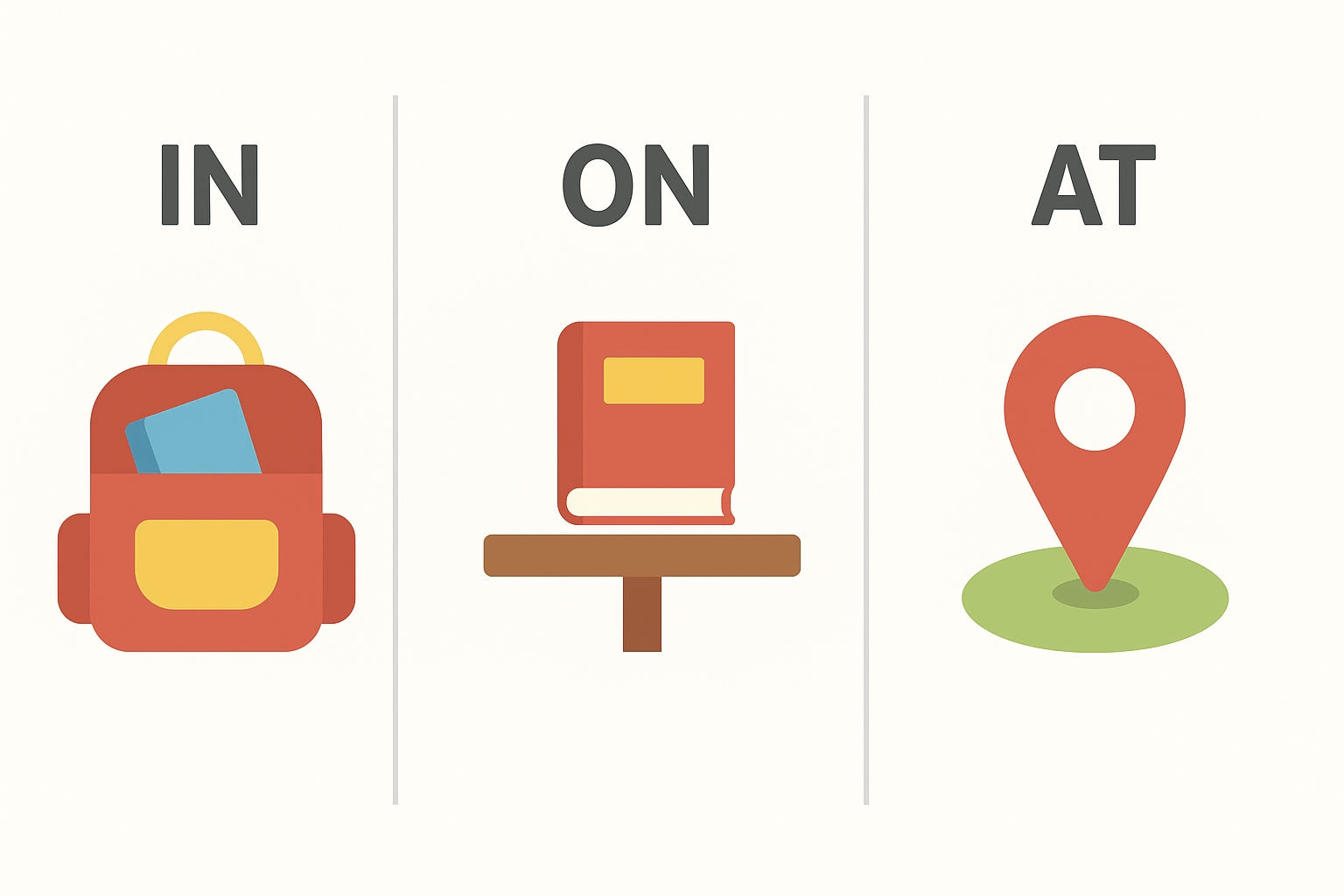
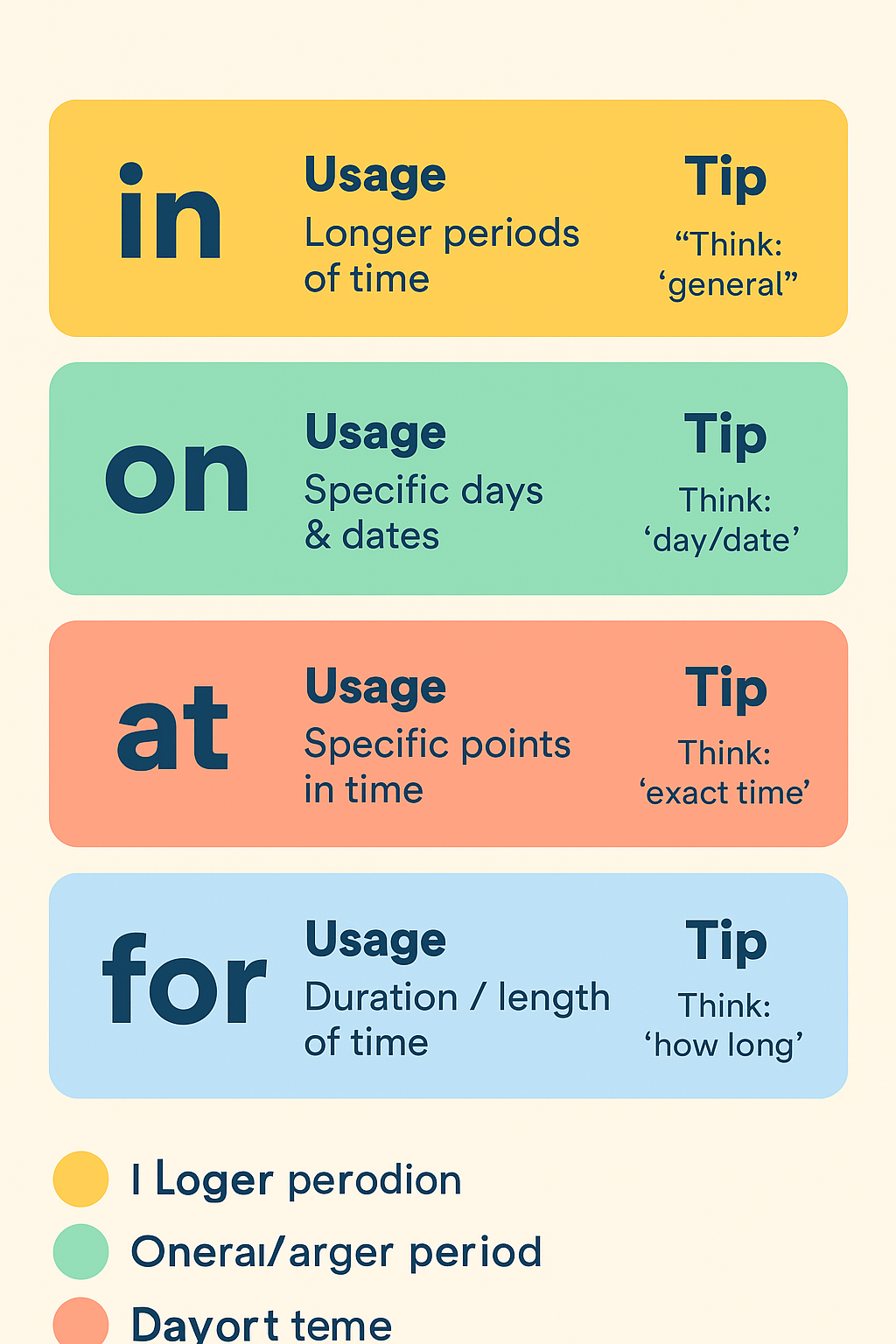
+———————-+—————————-+—————————-+———————-+ | Preposition | Usage | Examples | Tip | +———————-+—————————-+—————————-+———————-+ | in | Longer periods of time | in July, in 2020, in the | Think: “general” | | | (months, years, centuries)| 19th century | | +———————-+—————————-+—————————-+———————-+ | on | Specific days & dates | on Monday, on Sept 5th, | Think: “day/date” | | | | on Christmas Day | | +———————-+—————————-+—————————-+———————-+ | at | Specific points in time | at 6:30 p.m., at noon, | Think: “exact time” | | | | at midnight | | +———————-+—————————-+—————————-+———————-+ | for | Duration / length of time | for 5 years, for a month, | Think: “how long” | | | | for 2 hours | | +———————-+—————————-+—————————-+———————-+
Discord Story
How’s your day going practice speaking English practice spoken English I’m fed up with work I’m tired of work
Our countries are very close to each other My wife and I are having some trouble. There’s some trouble between my wife and me.
Our passport doesn’t work well in a lot of countries.
It’s a great country, but it has a terrible government.
I feel a little offended.
I want to share my story with someone , maybe you could give me some suggestion. I’m having some trouble in my marriage. My wife and I have been married for ten years.
we met in high school,and got married after we graduated from college. I’ve always thought we had a happy marriage. bug SomeDay , She suddenly said that our relationship of more than ten years is over, and that really hurt me.
and it feels like that my wife suddenly become a totally different person.
of Course ,i have loved her , I love her for fourteen years Before this year, I always thought she loved me too, I really don’t know how to handle it, and sometimes I wonder if I ever really knew her at all.
Now we don’t really talk to each other; Even if we take care of our daughter separately. She has become a completely different person to me. I can hardly recognize her anymore.
I can’t understand why someone could become such a completely different person so quickly.
when i want to talk with her ,she become very annoyd ,and angry ,We cant have a peacefull conversation at all.
Has anyone of you ever faced such a problem?
Have you ever been in love with someone?
⚠️ Expanded English Trap Phrases by Scenario (≈550 Words)
1️⃣ 自我介绍 & 寒暄
| # | ❌ 错误句 | ✅ 正确句 | 中文解释 |
|---|---|---|---|
| 1 | I’m boring | I’m bored | 描述自己感到无聊用bored,boring描述事物 |
| 2 | I have 20 years old | I’m 20 years old | 表示年龄时不用have,用am |
| 3 | I am interesting in music | I am interested in music | interested描述人兴趣 |
| 4 | I’m agree with you | I agree with you | agree不用be动词 |
| 5 | I’m interesting in art | I’m interested in art | interesting用于事物,interested描述人 |
| 6 | I’m live in Beijing | I live in Beijing | live是动词,不用be动词连用 |
| 7 | My name is called Li | My name is Li | called多余 |
| 8 | I am very like coffee | I like coffee very much | like不用am,副词位置调整 |
2️⃣ 问路 & 出行
| # | ❌ 错误句 | ✅ 正确句 | 中文解释 |
|---|---|---|---|
| 9 | Where is the station at? | Where is the station? | at多余 |
| 10 | Can you borrow me a pen? | Can you lend me a pen? | borrow/lend混淆 |
| 11 | I go to home | I go home | go home不加to |
| 12 | He asked me can help | He asked me to help | ask + to + 原形动词 |
| 13 | I’m used to swim | I’m used to swimming | used to + 动名词表示习惯 |
| 14 | Is far from here? | Is it far from here? | 缺主语it |
3️⃣ 饮食 & 购物
| # | ❌ 错误句 | ✅ 正确句 | 中文解释 |
|---|---|---|---|
| 15 | I want eat something | I want to eat something | 不定式to漏掉 |
| 16 | How much it is? | How much is it? | 句子倒装错误 |
| 17 | Let’s to eat | Let’s eat | let’s + 原形动词 |
| 18 | I prefer tea than coffee | I prefer tea to coffee | prefer搭配to,不用than |
| 19 | I enjoyed to watch the movie | I enjoyed watching the movie | enjoy + 动名词,不用to |
| 20 | Do you have some water? | Do you have any water? | some通常用于肯定句,疑问用any |
4️⃣ 情绪 & 表达
| # | ❌ 错误句 | ✅ 正确句 | 中文解释 |
|---|---|---|---|
| 21 | I am exciting | I am excited | exciting描述事物,excited描述人 |
| 22 | I am boring in class | I am bored in class | bored描述人,boring描述事物 |
| 23 | I very like it | I like it very much | 副词位置错误 |
| 24 | I am afraid from spiders | I am afraid of spiders | afraid后接介词用of |
| 25 | She looks like very happy | She looks very happy | 副词very放置位置错误 |
| 26 | I feel boring | I feel bored | boring/ bored混淆 |
| 27 | I am exciting about it | I am excited about it | exciting描述事物,excited描述人 |
| 28 | I’m interest in learning English | I’m interested in learning English | interested描述人兴趣 |
5️⃣ 网络 & 通讯
| # | ❌ 错误句 | ✅ 正确句 | 中文解释 |
|---|---|---|---|
| 29 | My internet not good | My internet is not very good | 缺be动词 |
| 30 | I no understand | I don’t understand | 否定表达需用do/does/did |
| 31 | He said me hello | He said hello to me | say后加to表示“对某人说” |
| 32 | I look forward to see you | I look forward to seeing you | look forward to + 动名词 |
| 33 | He explained me the rules | He explained the rules to me | explain + to表示“向某人解释” |
| 34 | I’m waiting you | I’m waiting for you | wait + for |
6️⃣ 其他常见语法
| # | ❌ 错误句 | ✅ 正确句 | 中文解释 |
|---|---|---|---|
| 35 | I am married since 2010 | I have been married since 2010 | 表示从过去到现在状态,用现在完成时 |
| 36 | I suggest to go | I suggest going / I suggest that we go | suggest + 动名词或从句 |
| 37 | She is married with him | She is married to him | married后接to |
| 38 | We discussed about the topic | We discussed the topic | discuss不用about |
| 39 | He did a mistake | He made a mistake | 做“错误”用make,不用do |
| 40 | I am agree that it’s true | I agree that it’s true | agree不用am |
| 41 | He suggested me to go | He suggested that I go / He suggested going | suggest + 人 + 动词原形,不加to |
| 42 | I’m looking forward to meet you | I’m looking forward to meeting you | look forward to + 动名词 |
| 43 | I’m boring | I’m bored | boring/ bored混淆 |
| 44 | She depends of her parents | She depends on her parents | depend后接on |
| 45 | I explained him the problem | I explained the problem to him | explain后接to |
| 46 | He returned back home | He returned home | return本身有“回去”的意思,back多余 |
| 47 | I suggest you to study | I suggest you study | suggest + 人 + 动词原形,不加to |
| 48 | She looks like her mother very much | She looks very much like her mother | 副词位置调整 |
| 49 | I am afraid about spiders | I am afraid of spiders | afraid后接of |
| 50 | I’m interested about music | I’m interested in music | interested后接介词in |
🌟 Most Common 300 English Words
1️⃣ 代词 & 冠词
I, you, he, she, it, we, they, me, him, her, us, them, my, your, his, her, its, our, their, mine, yours, this, that, these, those, a, an, the
2️⃣ 常用动词
be, have, do, say, get, make, go, know, take, see, come, think, look, want, give, use, find, tell, ask, work, seem, feel, try, leave, call, put, mean, keep, let, begin, help, talk, turn, start, show, hear, play, run, move, like, live, believe, hold, bring, happen, write, provide, sit, stand
3️⃣ 常用名词
time, person, year, way, day, thing, man, world, life, hand, part, child, eye, woman, place, work, week, case, point, government, company, number, group, problem, fact, home, school, friend, family, money, water, air, food, country, city, story, idea, word, night, car
4️⃣ 常用形容词 & 副词
good, new, first, last, long, great, little, own, other, old, right, big, high, different, small, large, next, early, young, important, few, public, bad, same, able, well, really, very, always, never, often, sometimes, usually, likely
5️⃣ 常用介词 &连词
in, on, at, by, with, about, against, between, under, over, through, during, without, within, for, from, to, of, and, but, or, so, because, although, if, while, as, than, before, after, until, since, though, nor, either, neither, whether
what do you do for a living
Dialogue: A Student and a Worker with 10 Years of Experience
# Dialogue: A Student and a Worker (Simple Version)
A (student): Hi! Out of curiosity, what do you do for a living?
嗨!出于好奇,你是做什么工作的?
B (worker): Hi! I’m a project manager. I’ve been doing this for ten years. How about you?
嗨!我是项目经理,做了十年。你呢?
A: Wow, ten years! I’m still a student. I study computer science.
哇,十年!我还是学生,学计算机。
B: That’s cool. How do you like university?
不错啊。你觉得大学生活怎么样?
A: It’s fun, but sometimes I feel confused. There are many choices—coding, AI, design. I don’t know what to pick.
挺有趣的,但有时我很迷茫。选择太多了——编程、人工智能、设计。我不知道该选哪个。
B: I understand. When I was your age, I felt the same. Even now, sometimes I’m still confused at work.
我懂。我你这个年纪也有同样的感觉。现在工作,有时我也会困惑。
A: Really? I thought people with experience know everything.
真的吗?我以为有经验的人都知道该怎么做。
B: Haha, I wish! Work changes all the time. New tech, new problems. The key is to keep learning.
哈哈,我也希望!工作一直在变,新技术、新问题。关键是不断学习。
A: That makes sense. But what if I pick the wrong path? What if I spend years on something I don’t like?
有道理。但如果我选错路怎么办?如果我花几年做不喜欢的事情呢?
B: That happens. I changed jobs a few times. Skills you learn are never wasted.
这种事会发生。我换过几次工作。学到的技能永远不会浪费。
A: Hmm, that’s good to know. It makes me feel better.
嗯,这样很好,让我放心多了。
B: You’ll be fine. Try different things while you’re young. It’s the best time to explore.
你会没事的。年轻的时候多尝试,这是探索的最好时间。
A: Thanks! And what about you? After ten years, do you still like your job?
谢谢!那你呢?工作十年,你还喜欢吗?
B: Most of the time, yes. I like helping my team, but sometimes work is tiring. Work-life balance is hard.
大多数时候是的。我喜欢帮助团队,但有时工作很累。生活工作平衡很难。
A: Yeah, I’ve heard working adults have little free time.
是啊,我听说上班族几乎没有空闲时间。
B: True, but you can manage. I make time for hobbies—sports, reading, friends. It helps me relax.
确实,但你可以安排时间。我会做运动、读书、和朋友出去玩。这让我放松。
A: Good idea. I should start building good habits now.
好主意。我现在就该开始养成好习惯。
B: Exactly. Don’t wait until you’re too tired. Practice balance early.
没错。别等太累才想平衡,早点练习。
A: Thanks, I really learned a lot.
谢谢,我学到很多东西。
B: Anytime! And if you need advice, just ask me.
随时!如果你需要建议,随时问我。
You’re such a good host.
Dialogue: Talking about Chinese
A: I’ve always wanted to learn Chinese. Is it hard?
我一直想学中文。它难吗?
B: It can be challenging at first, but Chinese is a beautiful language.
一开始可能有点难,不过中文是一门很漂亮的语言。
A: Really? What do you like most about it?
真的吗?你最喜欢它的什么?
B: I love the characters and the tones. They make the language very expressive.
我喜欢汉字和声调。它们让语言非常有表现力。
A: That sounds interesting. I want to try speaking some words.
听起来很有趣。我想试着说几句话。
B: Sure! Start with “你好” (nǐ hǎo). It means “hello.”
当然!先从“你好”开始吧,它的意思是“你好”。
A: 你好! Did I say it right?
你好!我说得对吗?
B: Perfect! See? You’re already speaking Chinese.
完美!看吧,你已经会说中文了。
The descriptions of settings, fights, and martial arts in Chinese are incredibly beautiful and unique.
Praising the Chinese Language (口语化表达)
-
Chinese is so beautiful when describing scenes and settings.
中文在描写场景和环境时非常优美。 -
The way Chinese depicts fights and battles is truly vivid.
中文描写打斗和战斗的方式非常生动。 -
Martial arts techniques sound poetic in Chinese.
中文中功夫招式的描述听起来像诗一样。 -
Chinese has a unique elegance that makes stories more immersive.
中文独有的优雅让故事更加引人入胜。 -
The language flows beautifully when narrating combat scenes.
在叙述战斗场面时,中文的语言流畅而美丽。 -
Chinese is unmatched in expressing the subtleties of martial arts.
中文在表达功夫的细腻方面无与伦比。 -
Every description in Chinese feels rich and full of imagery.
中文的每一句描写都充满画面感和丰富细节。 -
Reading a Chinese novel makes the fight scenes come alive.
读中文小说让打斗场面仿佛跃然纸上。 -
The beauty of Chinese lies in its ability to convey both action and emotion.
中文的美在于它能够同时传达动作和情感。 -
I love how Chinese can turn even a simple scene into a vivid picture.
我喜欢中文能把简单的场景也描写得栩栩如生。
- Hey, why didn’t you accept my friend request?
**Chinese is so beautiful when describing scenes 、 settings、Martial arts techniques 、battles **
中文在描写场景和环境时非常优美。 打斗和战斗的方式
Classical Chinese vs Modern Chinese
Alice: Lately I’ve been diving into Classical Chinese. The beauty of the language… it’s just amazing.
Ben: Classical Chinese? Isn’t that super hard to learn?
Alice: Totally. It’s concise, every character carries so much meaning. That’s part of what makes it beautiful.
Ben: How does it compare to Modern Chinese then?
Alice: Modern Chinese is easier to use in daily life. It’s more flexible, more expressive. But it still has elegance if you pay attention.
Ben: So you’re saying Classical Chinese is like a painting, and Modern Chinese is like a photograph?
Alice: Exactly! And learning them is a challenge. You really have to memorize characters, understand historical context… it’s not easy at all.
Ben: Wow, no wonder people say Chinese is hard. But I guess that’s also why it’s so fascinating.
Alice: Yep. Even struggling with it, you start to feel the depth of thousands of years of culture in every word.
英语从句 (Clauses)
# 英语从句的种类
英语中的从句主要分为以下三种类型:
一、名词性从句 (Noun Clause)
功能:在句子中充当主语、宾语、表语或同位语。
引导词:that, whether, if, what, who, whom, whose, which, when, where, why, how 等。
例子
- 作主语:What he said is true. → 他所说的是真的。
- 作宾语:I know who he is. → 我知道他是谁。
- 作表语:The problem is that we are late. → 问题是我们迟到了。
- 作同位语:The fact that he lied surprised me. → 他撒谎的事实让我吃惊。
二、定语从句 (Adjective / Relative Clause)
功能:修饰名词或代词,相当于形容词。
引导词:who, whom, whose, which, that, where, when, why 等。
例子
- 修饰人:The man who is talking to Tom is my brother. → 正在和汤姆说话的那个人是我哥哥。
- 修饰物:The book that you gave me is interesting. → 你给我的书很有趣。
- 修饰时间/地点/原因:I remember the day when we met. → 我记得我们见面的那天。
三、状语从句 (Adverbial Clause)
功能:作句子的状语,说明时间、原因、条件、目的、结果、让步等。
引导词:when, while, before, after, because, since, if, unless, although, though, so that, as if 等。
例子
- 时间状语从句:I will call you when I arrive. → 我到的时候会打电话给你。
- 原因状语从句:Because it was raining, we stayed home. → 因为下雨,我们待在家。
- 条件状语从句:I will go if it doesn’t rain. → 如果不下雨,我就去。
- 目的状语从句:He works hard so that he can buy a car. → 他努力工作,为了买车。
- 结果状语从句:He was so tired that he fell asleep immediately. → 他太累了,以至于立刻睡着了。
- 让步状语从句:Although he was tired, he kept working. → 虽然他累了,他还是继续工作。
总结
英语从句共分为三种主要类型:
- 名词性从句:充当句子成分,如主语、宾语等。
- 定语从句:修饰名词或代词,起形容词作用。
- 状语从句:修饰动词、形容词或整个句子,说明时间、原因等。
每类从句根据具体功能和引导词有不同的用法。
从句:通常使用陈述语序(主语+谓语),即使从句由疑问词引导。
例:I wonder where she lives. (where引导名词性从句,语序为she lives,不是疑问句的lives she)
正常句子:如果是疑问句,可能使用倒装语序(助动词/系动词+主语+谓语)。
例:Where does she live? (疑问句,语序倒装)
注意:在名词性从句中,即使以疑问词开头,也不要使用疑问句的倒装语序。
-
I’ve been working a long time today. so i am just watching now ,
- I want to understand what you’re talking about.
- I remember you’re from Australia.
- The government is very controlling
- Do you support Putin’s war?
- They know, but they turn a blind eye.
- We have a real-name system.
- What do you think of Putin?
- There’s no democracy here.
- They/we don’t really have democracy.
- China held a military parade today.
- There are tools for that. Unity
- You need to become an Android developer and make an app for people to use.
- I’m not studying, I’m already working
- .
- Are you in college or high school?
- Vietnam is a great place to travel.
- I don’t know how to say it in English
- I don’t know what you mean.(最常用、自然) I’m not sure what you mean.(口语化,也很常用)
- I don’t understand what you’re saying.(强调“我听不懂你说的”)
- I don’t get what you mean.(更随意、口语化)
- What is the average salary in Brazil?(最常用、自然)
- Do you invest in stocks?
- It’s not easy to make a AAA game, and it’s even harder to make it popular all over the world
- “India is strong in software.”
- Our salary is not high./👉 “We don’t earn a high salary.”(稍微正式)
- Are the salaries in your country high? My salary is high, but it’s not stable.” I’ll probably lose my job after I’m 35.
- I love The Last of Us the most.”(口语化,更强调喜爱)
- Our government is very dictatorial.
- Have you asked your wife’s opinion / Do you respect your wife’s opinion? 、 He is a bit extreme.
- I don’t believe in a god. with a human form.
- a democratic country
- Our corruption is too serious.
- video game console
-
- the Chinese government (中国政府,正式用法) China’s government (中国的政府,更口语化)
- • The Chinese government announced a new policy yesterday. 中国政府昨天宣布了一项新政策。
- The Chinese government is a one-party system,
- It’s hard for us to oppose any government policy, whether it’s reasonable or not. It is very difficult for us to challenge government policies,
- You’re very lively. Has your protest ended?
- I believe it’s their decision, and I respect it. They look very beautiful, but their voice sounds a bit unusual.
- Only if you study hard can you make progress. You can only improve by speaking more.
- You can only get better if you practice. Only by asking questions can you learn faster.
- We don’t have the right to vote.
如何保持对话的持续
- 1、回答问题之后,解释一下,更加友好
-
准备topics 、最喜欢的漫画、政治、猜猜我来自哪个国家、你对这个国家的印象、国家最满意最不满意的点、适合旅游吗、出过国吗、对于某些事情怎么看、支持反对为什么、
- Hey guys, what’s up? 嘿,大家在干嘛? 最常见的随意问候
- Hey, what are you guys talking about? 嘿,你们在聊什么?想融入话题时用
- I’m just trying to figure out the topic. 我在试着搞清楚话题。
- Wait, what does that mean? 等等,那是什么意思
- Oh really? That’s interesting. 真的?那挺有意思的
- You’re kidding, right? 你在开玩笑吧?
- Alright guys, I gotta go. 好啦,我得走了。
- It was nice talking to you all! 很高兴跟大家聊天!
- Take care, everyone. 大家保重。
- Can you guess where I’m from?
- I’ll give you a hint — it’s in Asia.
- Have you ever been abroad?
- What do you think about that?
- It shocked me when I heard the news
- How did you know
- why do you think so
- The Chinese passport isn’t very powerful.
- Our government isn’t very open-minded.
- Seek a better life
- What do you think of the working environment in Brazil?
- How do you find the working environment in Brazil?